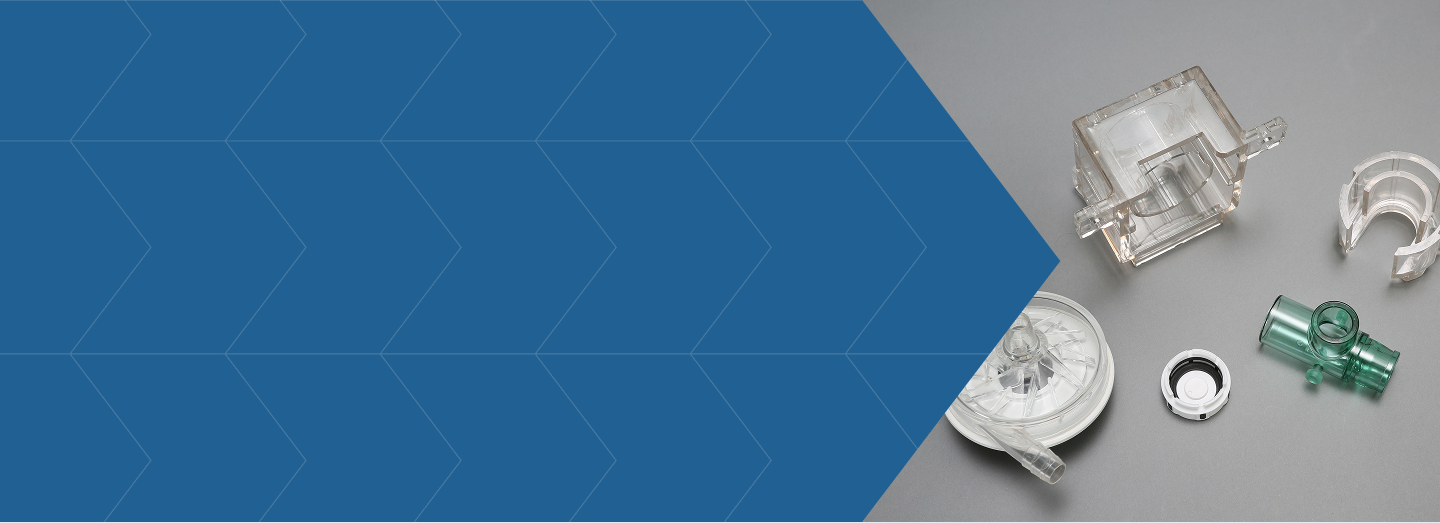
When engineers apply design for injection molding principles early in development, they create parts that are not only manufacturable but also stronger, more consistent, and more cost-effective at scale. Thoughtful design choices can improve product performance, accelerate production readiness, and reduce unnecessary revisions later in the process.
That is why early collaboration with an experienced injection molding partner matters.
Why Design for Injection Molding Matters Early in Development
Early design for injection molding collaboration sets the foundation for parts that perform reliably and cost-effectively throughout their lifecycle. When engineering teams integrate molding expertise from the start, they unlock significant advantages: tooling designs remain flexible, cycle times stay optimized, and quality risks diminish before they compound.
For complex or high-volume components, these early wins multiply quickly, reducing iterations, accelerating time-to-market, and strengthening the bottom line.
Early design for injection molding collaboration helps engineering teams:
- Reduce tooling revisions
- Improve structural performance
- Minimize cosmetic defects
- Shorten production ramp-up
- Lower total manufacturing costs
- Increase process consistency
The Most Important Injection Molding Design Guidelines
While every application is unique, several core DFM principles consistently improve molded part quality and manufacturability.
1. Maintain Consistent Wall Thickness
Uneven wall thickness is one of the most common causes of molding defects. Uniform walls allow material to flow and cool more predictably, creating stronger and more dimensionally stable parts.
Recommended Practice
| Design Element | Recommended Guideline |
| Wall Thickness Consistency | Keep walls as uniform as possible |
| Thick Sections | Core out where feasible |
| Transitions | Use gradual thickness changes |
| Material Flow | Avoid abrupt geometry changes |
2. Use Ribs for Strength
Increasing wall thickness may seem like the simplest way to strengthen a component, but it often leads to molding issues and longer cycle times.
Ribs provide structural reinforcement while maintaining optimal material flow and cooling behavior. When engineered correctly, ribs improve stiffness without sacrificing manufacturability.
Effective Rib Design Typically Includes:
- Rib thickness at 50–60% of nominal wall
- Proper draft angles for ejection
- Rounded rib bases to reduce stress concentration
- Adequate spacing to prevent sink marks
3. Design Proper Draft Angles
Draft requirements should always be evaluated alongside material selection and texture specifications. Even highly polished tooling surfaces still require draft for reliable release.
Without sufficient draft angles, parts resist ejection from the mold, increasing the likelihood of:
- Surface scratching
- Drag marks
- Part deformation
- Tool wear
- Ejection failures
Design for Injection Molding Recommendations
| Surface Type | Typical Draft Recommendation |
| Smooth Surfaces | 1–2° minimum |
| Textured Surfaces | Additional draft required |
| Deep Features | Increase draft proportionally |
| Shutoffs/Core Features | Often require specialized review |
4. Account for Material Behavior
Not all plastics behave the same during molding.
Engineering teams benefit most when molders participate early in material selection discussions, especially for parts with tight tolerances or demanding performance requirements.
Resin selection directly affects:
- Shrink rates
- Flow characteristics
- Heat resistance
- Structural performance
- Cosmetic appearance
- Chemical resistance
5. Optimize Gate Location Strategically
Proper gate design helps maintain balanced flow and predictable filling behavior throughout the cavity. Gate placement influences nearly every aspect of part quality.
In many cases, gate optimization alone can significantly improve part consistency.
Key Considerations Include:
- Flow length
- Cosmetic requirements
- Structural load paths
- Material viscosity
- Cooling efficiency
- Venting strategy
6. Design Corners with Radii Instead of Sharp Edges
As a general rule, internal radii should be incorporated wherever possible. This seemingly small adjustment can improve long-term part durability.
Sharp internal corners concentrate stress and disrupt material flow. Rounded corners improve both structural integrity and moldability by:
- Reducing stress concentration
- Improving resin flow
- Minimizing hesitation
- Lowering crack risk
- Supporting better filling
Designing for Performance Starts Before Production
Design for Injection Molding is about balancing part performance, scalability, and production efficiency. Manufacturing partners like DWE can reduce costly revisions, improve consistency, and create a smoother path to production readiness.
Connect with the team at DWE to optimize your next injection molded component.