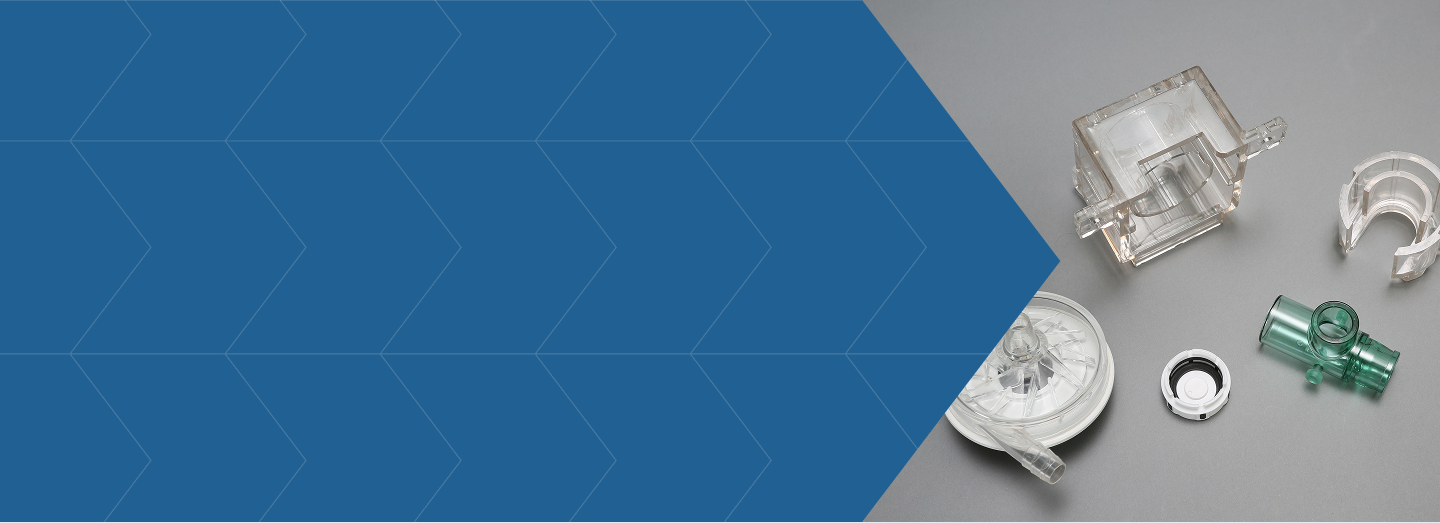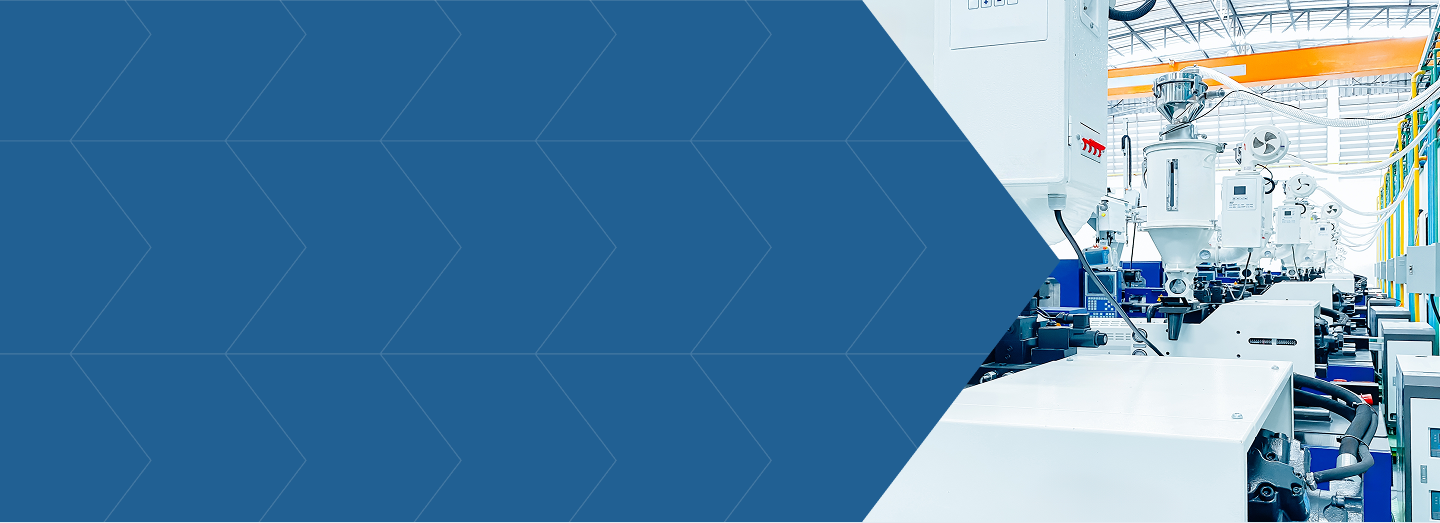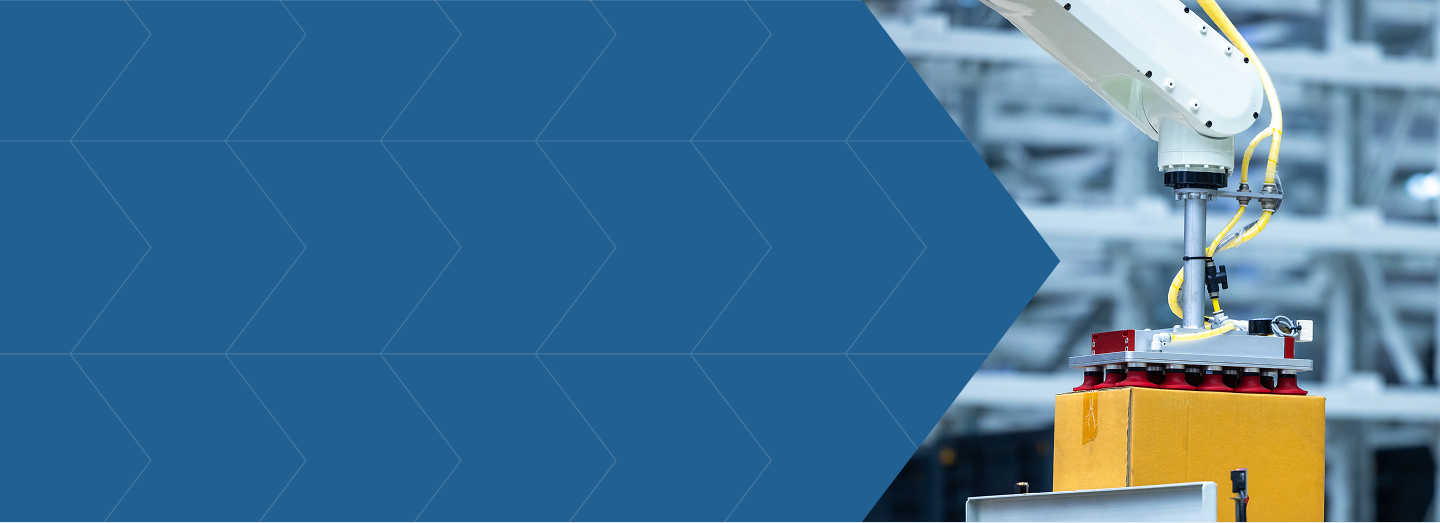
Custom injection molding has become a preferred manufacturing solution for engineers seeking durability, precision, and scalability.
Industrial equipment manufacturers face unique challenges when sourcing plastic components. Parts often operate in demanding environments, must meet strict performance requirements, and need to maintain consistency across long production runs.
Manufacturers are turning to custom injection molding industrial applications to help solve these challenges, and understanding how the process supports industrial applications can help engineers make better design and sourcing decisions.
Why Injection Molding Works Well for Industrial Equipment
Industrial applications require more than simply producing plastic parts at scale. Components must withstand mechanical stress, exposure to chemicals, temperature fluctuations, vibration, and long service lives.
Custom injection molding offers several advantages for industrial manufacturers:
- High repeatability and dimensional consistency
- Tight tolerance capabilities
- Ability to manufacture complex geometries
- Broad material selection
- Cost-effective production at medium to high volumes
- Excellent surface finish and appearance options
When properly designed and manufactured, injection molded components can replace metal parts, reduce weight, lower assembly costs, and improve overall product performance.
Common Industrial Applications for Custom Injection Molded Parts
Industrial equipment manufacturers rely on injection molding for a wide range of components.
Some common examples include:
Equipment Housings and Covers
Protective housings shield sensitive electronics, controls, and mechanical systems from dust, moisture, and impact. Injection molding allows engineers to integrate mounting features, cable management, ventilation, and sealing surfaces into a single component.
Fluid Handling Components
Industrial pumps, filtration systems, valves, and dispensing equipment often use molded plastic components because of their corrosion resistance and chemical compatibility.
Machine Components
Bushings, guides, brackets, spacers, handles, and operator interface components are frequently produced through injection molding. Engineers can design these parts with reinforced materials that provide excellent strength while reducing overall equipment weight.
Electrical and Electronic Enclosures
Industrial automation systems depend on durable enclosures that protect internal electronics while maintaining dimensional stability and environmental resistance.
Safety and Ergonomic Components
Control knobs, grips, guards, and operator-accessible features often benefit from molded designs that improve usability and safety while maintaining production efficiency.
Material Selection Is Critical for Industrial Performance
Material selection is one of the most important factors in custom injection molding for industrial applications.
The right material depends on the operating environment and performance requirements.
Common industrial-grade materials include:
ABS
ABS provides good impact resistance, dimensional stability, and surface finish. It is commonly used for housings, covers, and protective components.
Nylon
Nylon offers excellent wear resistance, strength, and fatigue performance. It is often selected for moving components and mechanical applications.
Polycarbonate
Polycarbonate delivers high impact resistance and durability, making it suitable for protective covers and industrial enclosures.
Polypropylene
Polypropylene offers excellent chemical resistance and is frequently used in fluid handling systems and industrial containers.
Glass-Filled Materials
Glass-filled resins improve stiffness, strength, and dimensional stability for applications requiring higher structural performance.
Working with a molding partner that understands material performance can help ensure the selected resin aligns with the application’s environmental and mechanical demands.
Design Considerations for Industrial Injection Molded Parts
The most successful industrial molding projects begin with thoughtful design.
Engineers should consider several factors during development:
Wall Thickness Consistency
Uniform wall thickness promotes even material flow and cooling. This helps reduce warpage, sink marks, and dimensional variation.
Structural Reinforcement
Features such as ribs and gussets can improve strength without significantly increasing part weight or material consumption.
Assembly Requirements
Injection molding enables the integration of snap fits, living hinges, inserts, and mounting features directly into the design. This can reduce secondary assembly operations and lower overall production costs.
Tolerance Requirements
Industrial equipment often requires parts that fit precisely with surrounding components. Early communication regarding tolerance expectations helps manufacturers develop appropriate tooling and quality control plans.
Quality and Consistency Are Key in Industrial Applications
A component that performs well during prototyping but varies during production can create serious operational issues.
Industrial manufacturers often require:
- Consistent dimensions across production runs
- Documented quality procedures
- Material traceability
- Process monitoring
- Reliable delivery schedules
Injection molding provides excellent repeatability when supported by robust tooling, process control, and quality management systems.
This consistency becomes especially important when molded components are integrated into larger assemblies where even minor dimensional variation can affect fit, function, or performance.
Companies that invest in advanced manufacturing capabilities and quality systems help reduce risk throughout the supply chain.
Scaling Production Without Sacrificing Quality
One of the biggest advantages of custom injection molding is its ability to support long-term production growth.
Once tooling is developed and validated, manufacturers can efficiently produce thousands or even millions of identical parts while maintaining consistent quality.
For industrial OEMs, this creates several benefits:
- Lower per-part costs at volume
- Faster production cycles
- Improved supply chain stability
- Consistent product performance
- Reduced assembly and maintenance issues
As equipment demand grows, injection molding provides a scalable manufacturing solution that supports both current production needs and future expansion.
Partnering with the Right Injection Molding Manufacturer
At Dave Wheatley Enterprises (DWE), we specialize in custom injection molding solutions that support demanding industrial applications.
Whether you’re launching a new product or optimizing an existing design, partnering with an experienced injection molding manufacturer can help improve quality, reduce costs, and support long-term production success.