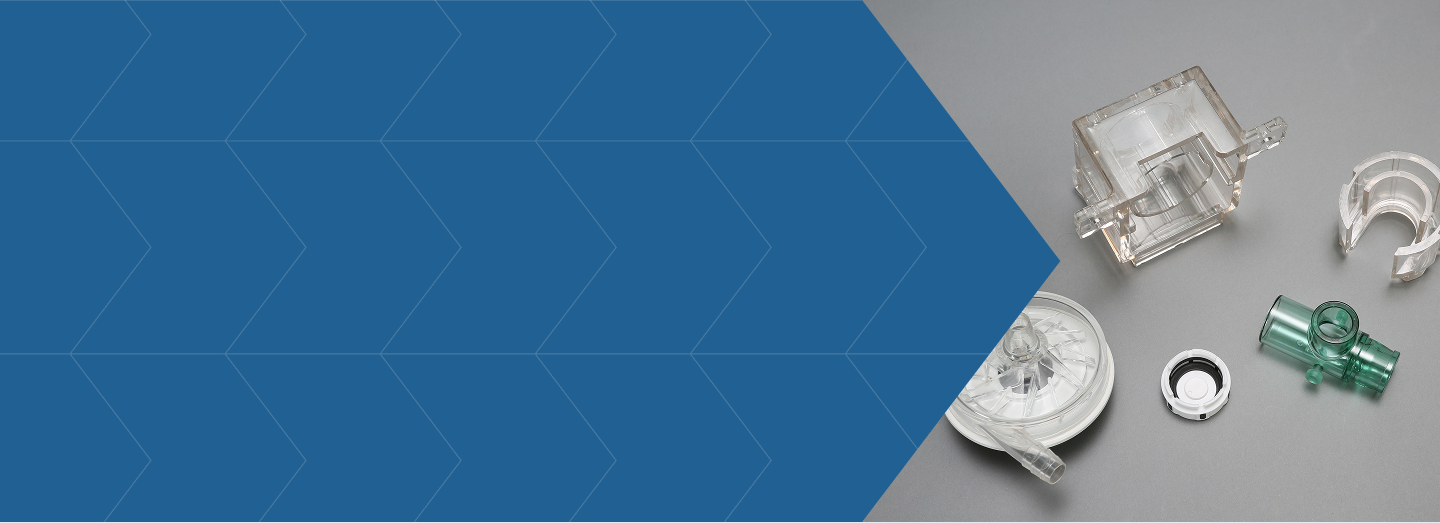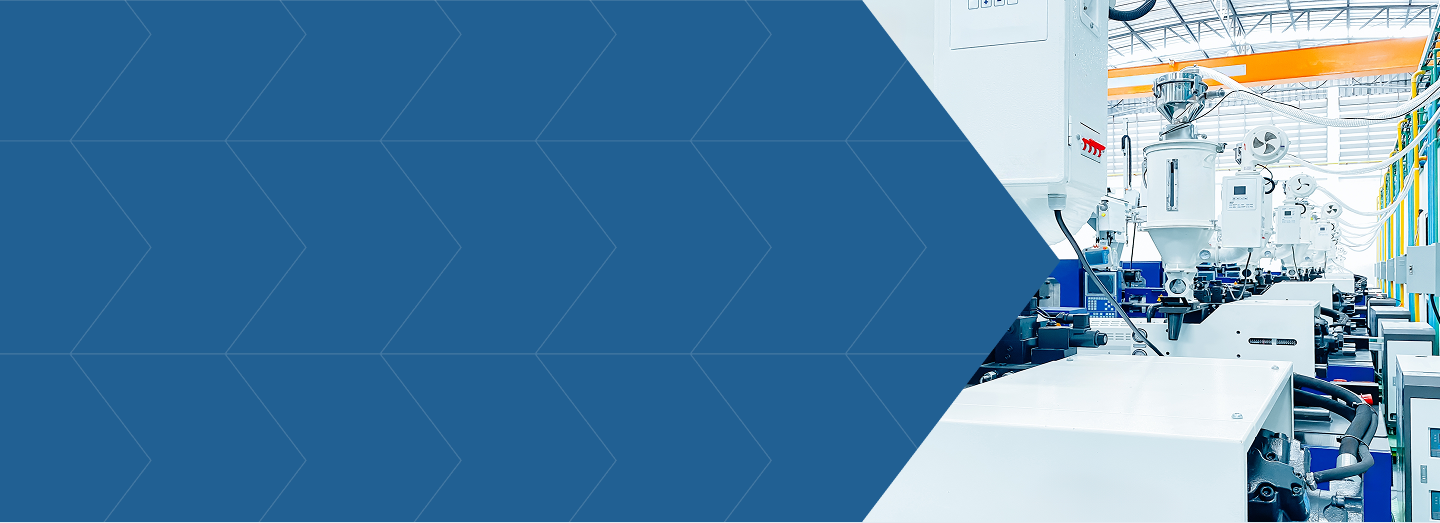
Design for Manufacturability (DFM) has been part of injection molding conversations for decades. Today those conversations are all about making smarter decisions earlier in the design process.
For engineering teams, DFM is what helps turn a solid design into a part that performs consistently in production. It brings clarity to how geometry, material, and tooling work together, before anything is cut or molded.
When those decisions are made early, production becomes more predictable, more efficient, and easier to scale. That’s where DFM creates real value.
What DFM Injection Molding Looks Like
DFM Injection Molding is about aligning part design with how injection molding works. Material flow, cooling behavior, tooling constraints, and production scale.
When that alignment happens early, engineers gain more control. Instead of reacting to issues later, teams can move forward with confidence from the start with better:
- Part consistency across production runs
- Cycle times and throughput
- Material efficiency
- Tooling performance and longevity
The Design Principles That Drive Better Results
A few core principles consistently lead to stronger, more predictable outcomes in injection molding. When applied early, they help engineers refine designs in ways that directly improve production performance.
- Consistent wall thickness: When thickness remains uniform, material flows and cools evenly, improving dimensional stability and reducing variation across production runs.
- Draft angles: Proper draft allows parts to release cleanly from the mold, supporting smoother cycles and reducing long-term stress on tooling.
- Geometry simplification: Streamlining features, without sacrificing function, helps improve material flow, reduce tooling complexity, and create more efficient production conditions.
- Material selection: Choosing materials with processing behavior in mind ensures parts perform as expected under real manufacturing conditions, improving durability and fit.
How DFM Improves Both Cost and Performance
One of the key advantages of DFM is that it doesn’t force trade-offs. It helps optimize multiple variables at once. Rather than reducing capability, DFM helps engineers get more value out of each design decision.
| DFM Focus Area | Resulting Benefit |
| Optimized wall design | Reduced material usage |
| Efficient cooling strategies | Shorter cycle times |
| Simplified tooling | Lower upfront tooling costs |
| Early validation | Faster time-to-market |
Scaling and Producing Faster
DFM Injection Molding is built for high-volume production, but scaling successfully means thinking past the prototype. The strongest designs account for repeatability from the start: how a part performs across multi-cavity molds, how it handles automation, and how dimensions hold over millions of cycles.
When those decisions are made early, production stabilizes faster, and scaling doesn’t introduce new variables that require rework. Parts run consistently, processes lock in sooner, and teams spend less time adapting designs they should have gotten right the first time.
Aligning design and manufacturing decisions upstream also shortens the path to production. Fewer late-stage refinements, fewer surprises, and a development process that moves at the pace it was supposed to.
Summary: Early Collaboration Brings More Efficiency
One of the most effective ways to apply DFM is by involving a manufacturing partner early in the design process.
Experienced injection molders bring insight into:
- Material flow and gate placement
- Cooling and cycle time optimization
- Tooling strategies for durability and efficiency
DWE Plastics Helps Achieve Better Outcomes
DFM injection molding helps align design decisions with real manufacturing conditions early, improving performance, controlling costs, and reducing variability. It also allows teams to make smarter trade-offs and move into production with greater confidence.
With experienced partners like DWE Plastics involved early, that insight becomes even more actionable, helping ensure designs are not only functional but fully optimized for production.