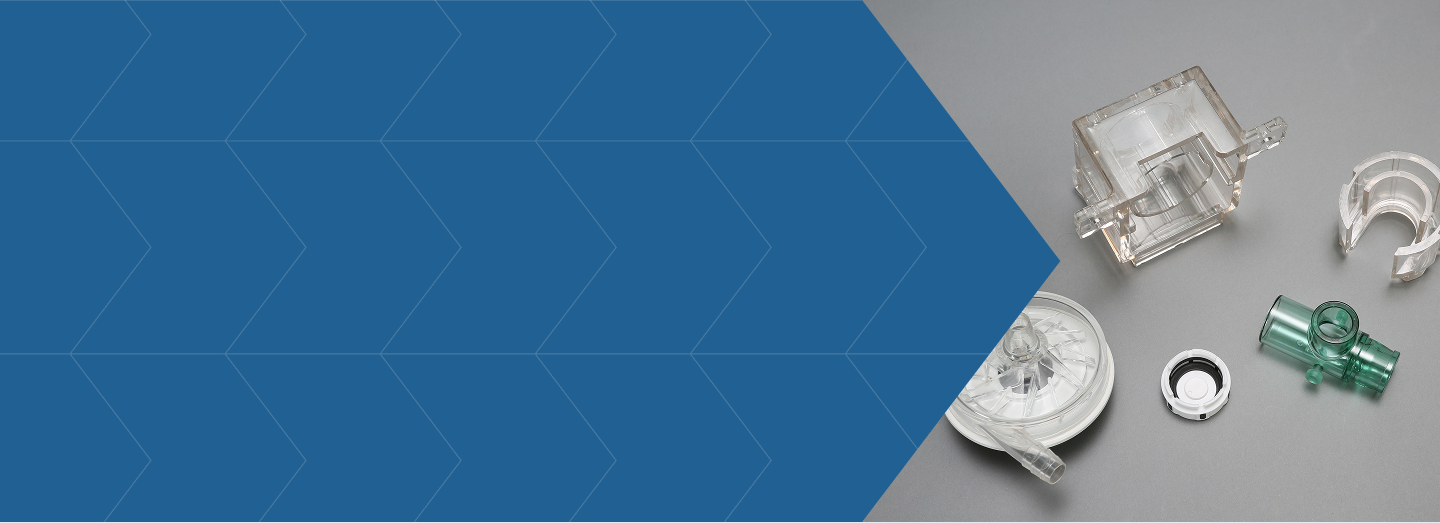
Learn how strategic design cycles can make production more efficient and reduce time-to-market.
Getting an injection molded component from concept to production rarely happens in one design pass. Geometry changes. Materials are reconsidered. Testing reveals new requirements. Manufacturing constraints surface as the design becomes more refined.
The question for engineering teams is how quickly those discoveries happen.
An iterative approach to plastic injection molding design gives engineers a structured way to identify and resolve issues before they become expensive tooling or production problems.
Why Iteration is Important to Plastic Injection Molding Design
Injection molding requires engineers to balance part performance with the realities of manufacturing. Wall thickness, draft, ribs, bosses, radii, gate locations, tolerances, and resin behavior can all influence whether a component molds consistently.
Waiting until a design is considered complete to evaluate those factors can extend the development timeline.
An iterative process evaluates manufacturability throughout development. Engineers can make targeted changes while the design is still flexible, validate those decisions, and move forward with greater confidence.
The goal is not to create more design cycles. It is to make each cycle more productive.
Start With Manufacturing Input Early
One of the most effective ways to accelerate development is to involve the injection molding partner before tooling begins.
A Design for Manufacturability (DFM) review can identify features that may create molding challenges, tooling complexity, or quality concerns. Engineers can then refine those features while changes are relatively easy to implement.
Early reviews may evaluate:
- Wall thickness and transitions
- Draft angles and part ejection
- Rib and boss geometry
- Gate location and material flow
- Tolerance requirements
- Tooling complexity
- Material selection
- Assembly considerations
Prototype With a Specific Question in Mind
Prototyping is most valuable when each iteration is designed to answer a specific engineering question.
A prototype may be used to confirm fit within an assembly, evaluate ergonomics, test structural performance, or verify that a design can withstand its expected operating environment.
Once results are available, engineers can incorporate the findings into the next design revision. This creates a feedback loop:
Design → Review → Prototype → Test → Refine → Validate
Each cycle should reduce uncertainty and move the component closer to a production-ready design.
This approach also helps teams prioritize changes. A cosmetic detail that does not affect function may require a different level of attention than a tolerance affecting assembly or a feature creating a potential molding defect.
Validate Material Decisions During the Design Cycle
Material selection should also be part of iterative plastic injection molding design.
Different polymers have different shrink rates, flow characteristics, mechanical properties, chemical resistance, and thermal performance. Changing resin late in development can affect dimensions, tooling assumptions, and part performance.
Engineering teams should evaluate material requirements alongside geometry and application requirements.
Questions may include:
- What temperatures will the component experience?
- Will it encounter chemicals, moisture, or UV exposure?
- What mechanical loads must it withstand?
- Are dimensional stability and tight tolerances critical?
- Does the application have certification or regulatory requirements?
Resolving these questions early helps prevent a material change from triggering a larger redesign later.
Freeze the Design When the Right Risks Are Resolved
Speed does not come from rushing to tooling. It comes from reaching tooling with fewer unresolved questions.
Before design freeze, engineers should have confidence that the component meets functional requirements, critical dimensions have been evaluated, material selection is appropriate, and major manufacturability concerns have been addressed.
Addressing those factors during iterative development can reduce tooling revisions and support a smoother production ramp.
Reduce Time-to-Market Through Better Collaboration
Iterative development works best when design engineers and manufacturing teams share information early and often.
For engineers, that means access to practical feedback on how a design will behave in the mold and at production volumes. For manufacturers, early involvement creates a clearer understanding of the component’s functional requirements and critical features.
DWE supports customers with engineering and manufacturing expertise from early design evaluation through injection molding and production. That integrated approach helps identify risks sooner, reduce unnecessary revisions, and keep projects moving toward scalable production.
Move Your Injection Molded Design Toward Production With Confidence
A faster development cycle starts with making the right decisions while the design is still flexible. Early DFM input, focused prototyping, material evaluation, and iterative validation can help engineers reduce development risk while protecting performance and manufacturability.
If you are developing a new injection molded component or refining an existing design, contact DWE to discuss your plastic injection molding design requirements and request a quote.