
Medical Injection Molding Suppliers: From Prototype to Production
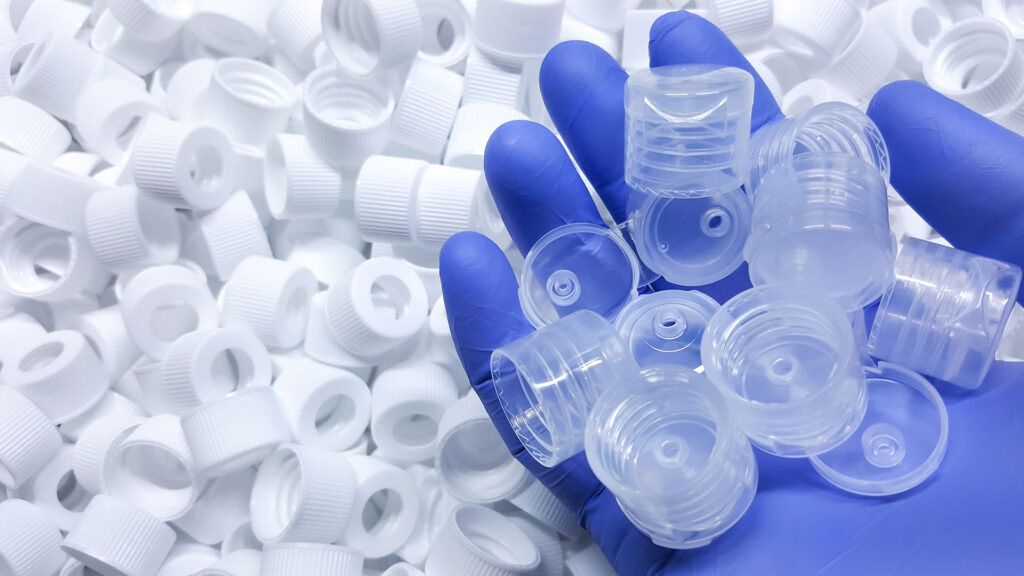
Medical plastic components often begin with a demanding set of requirements. Parts may need to maintain precise dimensions, withstand repeated use, meet material specifications, integrate with larger assemblies, and perform consistently across thousands of production cycles. For engineers, selecting a medical injection molding supplier is an important part of decision-making throughout development, including material selection, […]
Plastic Injection Molding for Electronics: Engineering Better Enclosures and Housings
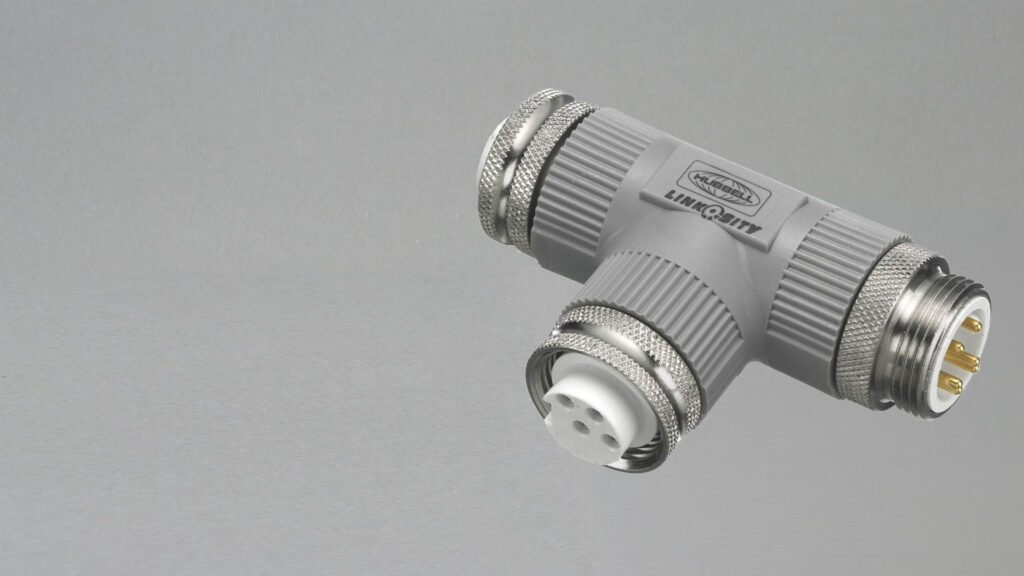
Electronics enclosures do much more than give a product its shape. They protect sensitive components, establish mounting locations, support connectors and controls, manage environmental exposure, and influence how efficiently the final product can be assembled. Plastic injection molding for electronics provides a scalable way to manufacture housings, covers, control enclosures, sensor bodies, and other components […]
Iterative Design Cycles for Plastic Injection Molding
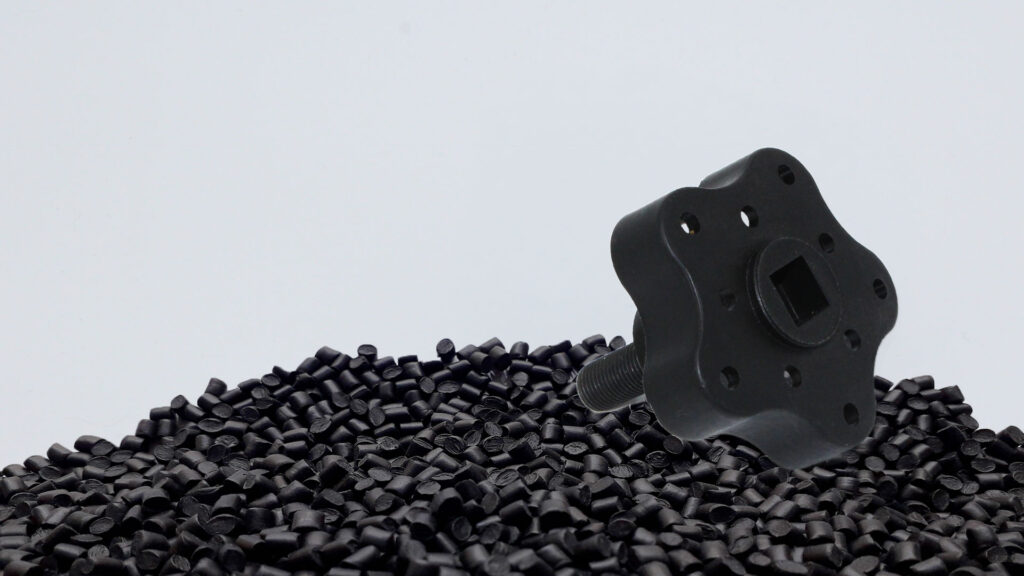
Learn how strategic design cycles can make production more efficient and reduce time-to-market. Getting an injection molded component from concept to production rarely happens in one design pass. Geometry changes. Materials are reconsidered. Testing reveals new requirements. Manufacturing constraints surface as the design becomes more refined. The question for engineering teams is how quickly those […]
Designing Injection Molded Parts for Consumer Products
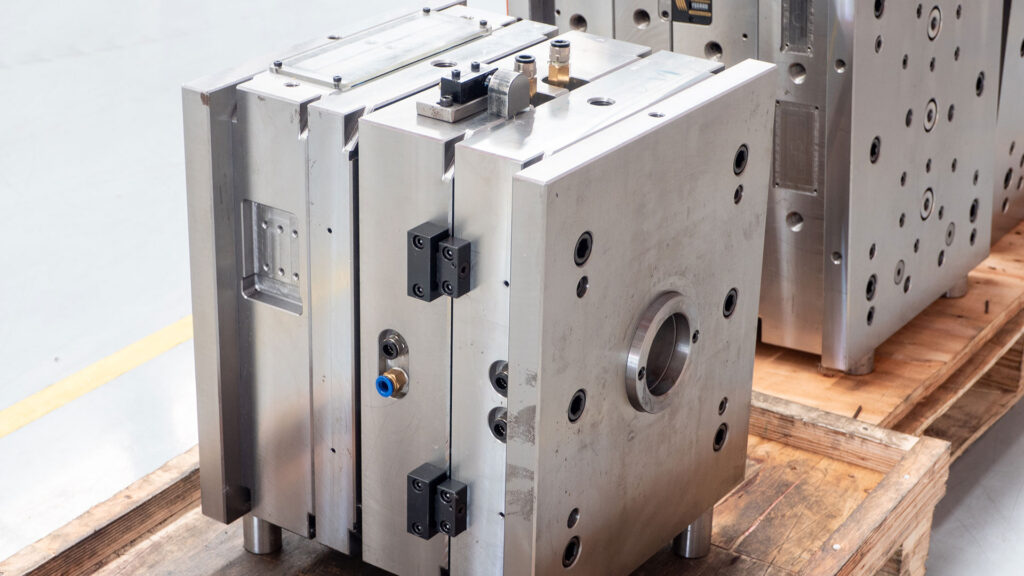
How to balance function, manufacturability, material performance, user experience, and production economics. Consumer products have little room for design error. A molded component may need to look polished, feel comfortable, assemble cleanly, survive repeated use, and hit a target cost at scale. For engineers, that means injection molding for consumer products should be considered early […]
Custom Injection Molding for Industrial Applications
Custom injection molding has become a preferred manufacturing solution for engineers seeking durability, precision, and scalability. Industrial equipment manufacturers face unique challenges when sourcing plastic components. Parts often operate in demanding environments, must meet strict performance requirements, and need to maintain consistency across long production runs. Manufacturers are turning to custom injection molding industrial applications […]
Custom Injection Molding for Industrial Applications: What Engineers Need to Know

When industrial equipment fails, the consequences extend far beyond a single component. Unexpected downtime, delayed production schedules, warranty claims, and costly repairs can all trace back to one common issue: parts that weren’t designed or manufactured for long-term performance. That’s why engineers developing industrial products place such a high value on manufacturing consistency. Whether the […]
When Injection Molded Parts Make Sense

For engineers developing new products, choosing the right manufacturing process can have a significant impact on cost, quality, lead times, and long-term production success. While machining, additive manufacturing, and injection molding each have their place, selecting the wrong process can create unnecessary costs, production delays, or performance challenges down the road. The key is understanding […]
Continuous Improvement Reduces Cost in Injection Molding
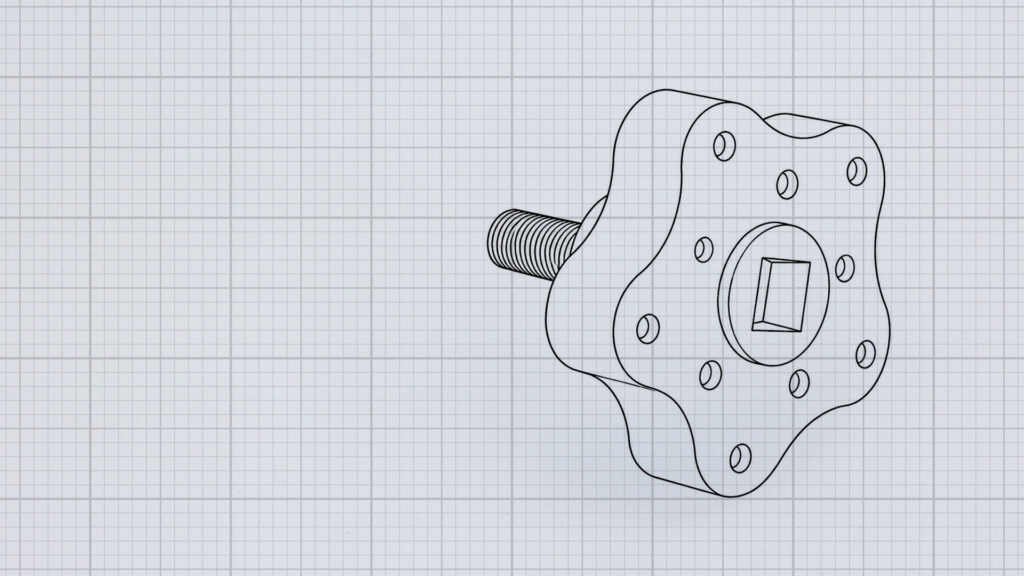
In injection molding, cost reduction is often viewed through a narrow lens: cheaper materials, lower labor rates, or reducing supplier pricing. But for engineers and manufacturers focused on long-term performance, opportunity lies in process improvement. Plastic injection molding continuous improvement is one of the most effective ways to reduce total manufacturing costs without sacrificing quality, […]
Design for Injection Molding | Plastics Guidelines
When engineers apply design for injection molding principles early in development, they create parts that are not only manufacturable but also stronger, more consistent, and more cost-effective at scale. Thoughtful design choices can improve product performance, accelerate production readiness, and reduce unnecessary revisions later in the process. That is why early collaboration with an experienced […]
Iterative Prototyping for Plastic Parts: From Concept to Production
Modern product development in prototyping plastic parts demands speed, precision, and alignment between design and manufacturing. Design details such as wall thickness, draft angles, or material selection can significantly impact tooling, cost, and overall performance. When these factors are addressed early, engineers gain more control over outcomes and reduce the likelihood of downstream adjustments. Real-world […]